

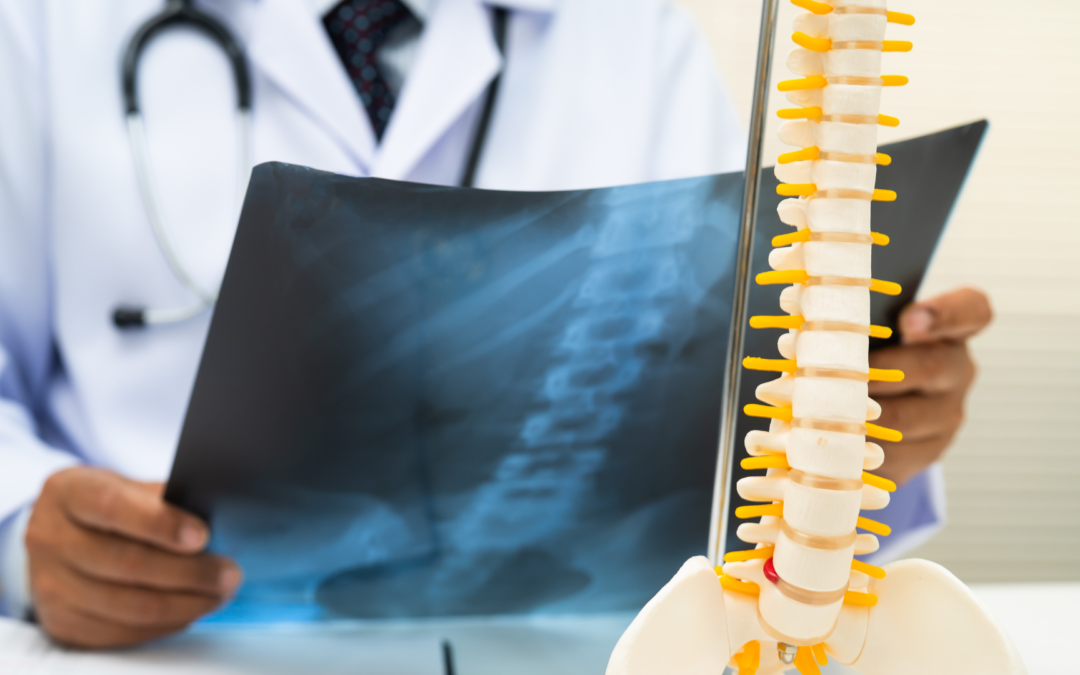
Orthopaedic surgery has undergone a massive transformation over the last few decades. Among the various innovations that have shaped the field, the development of internal fixation devices stands out as a cornerstone of modern trauma care. Specifically, the evolution of Bone Plates has revolutionised how surgeons approach complex fractures, moving from generic, straight bars to highly sophisticated, pre-contoured designs that mimic human anatomy.
In this blog, we will explore the journey of these essential medical devices and how the shift toward pre-contoured technology is significantly improving patient outcomes and surgical efficiency.
The Early Days: The Era of Manual Bending
Historically, Bone Plates were simple, flat pieces of stainless steel or titanium. While they provided the necessary stability to hold a fractured bone in place, they were far from “user-friendly.” In the operating room, surgeons had to spend a considerable amount of time using heavy-duty bending irons and templates to shape the plate to fit the patient’s bone.
This manual process had several drawbacks:
- Imprecision: No matter how skilled the surgeon, manual bending rarely resulted in a perfect fit.
- Structural Weakness: Repeated bending of a metal plate can create “stress points,” increasing the risk of the plate breaking after implantation.
- Increased Operative Time: Every minute spent shaping a plate is a minute the patient remains under anaesthesia, which increases the risk of complications.
The Rise of Pre-Contoured Bone Plates
As medical imaging (like CT and MRI scans) became more advanced, engineers gained a better understanding of “average” human anatomy. This led to the creation of pre-contoured Bone Plates. These are devices manufactured with specific curves and twists designed to fit the unique topography of specific bones—such as the distal radius (wrist), the proximal humerus (shoulder), or the tibial plateau (knee).
The transition from flat plates to anatomical designs represents one of the most significant leaps in orthopaedic trauma. Here is how these designs are changing the landscape of surgery:
1. Superior Anatomical Alignment
The primary goal of any fracture surgery is “reduction”—restoring the bone to its original position. Pre-contoured Bone Plates act as a template for the surgeon. When a plate is designed to fit the natural curve of a femur or a clavicle, placing the plate often helps pull the bone fragments back into their correct alignment. This leads to better functional recovery and reduces the likelihood of malunion (where the bone heals crookedly).
2. Reduced Surgical Time and Trauma
Because the plates are “ready-to-go,” the need for intraoperative bending is drastically reduced or eliminated. This significantly speeds up the surgical procedure. Furthermore, because the plates fit the bone more snugly, surgeons often don’t need to strip as much soft tissue or periosteum (the bone’s outer layer) to get the plate to sit flat. Preserving this tissue is vital because it maintains the blood supply to the bone, which is essential for fast healing.
3. Enhanced Stability with Locking Technology
Most modern pre-contoured Bone Plates utilise “locking” technology. In traditional plating, the plate must be pressed tightly against the bone to create friction. In locking systems, the screw heads thread into the plate itself, creating a “fixed-angle construct.” This is particularly beneficial for patients with osteoporotic (weak) bones or complex, shattered fractures where traditional screws might pull out. The combination of an anatomical shape and locking screws provides unparalleled stability.
4. Minimally Invasive Potential
The evolution of pre-contoured designs has paved the way for Minimally Invasive Plate Osteosynthesis (MIPO). Because the plates are shaped to follow the bone’s path, they can often be slid under the skin through small incisions rather than making one large, invasive opening. This results in less scarring, less pain, and a lower risk of post-operative infection for the patient.
Impact on Patient Recovery
For the patient, the evolution of Bone Plates means more than just a shorter surgery. The precision of pre-contoured designs translates to a lower “profile”—meaning the plate is less likely to be felt under the skin or irritate the surrounding tendons and muscles. This is a common issue with older, bulkier plates, which often need to be removed in a second surgery due to discomfort.
Furthermore, the stability provided by these modern designs allows for “early mobilisation.” Instead of being stuck in a heavy cast for months, many patients can begin gentle physical therapy much sooner, preventing joint stiffness and muscle atrophy.
The Future: Patient-Specific Implants
While pre-contoured plates are designed based on the “average” human, the future is moving toward 3D-printed, patient-specific Bone Plates. In highly complex cases, surgeons can now use a patient’s CT scan to 3D-print a plate that fits their exact bone structure perfectly. This is the ultimate evolution of the technology, ensuring that no matter how unique the injury, there is a fixation solution tailored to the individual.
Conclusion
The evolution of Bone Plates from basic metal strips to anatomically precise, pre-contoured instruments has revolutionised trauma surgery. By reducing surgical time, preserving blood supply, and providing superior stability, these designs are helping patients get back on their feet faster and with fewer complications.
As technology continues to advance, the focus remains the same: providing surgeons with the best possible tools to restore form and function to the human body. In the world of orthopaedic trauma, the pre-contoured plate is no longer just an option—it is the gold standard for modern care.
