
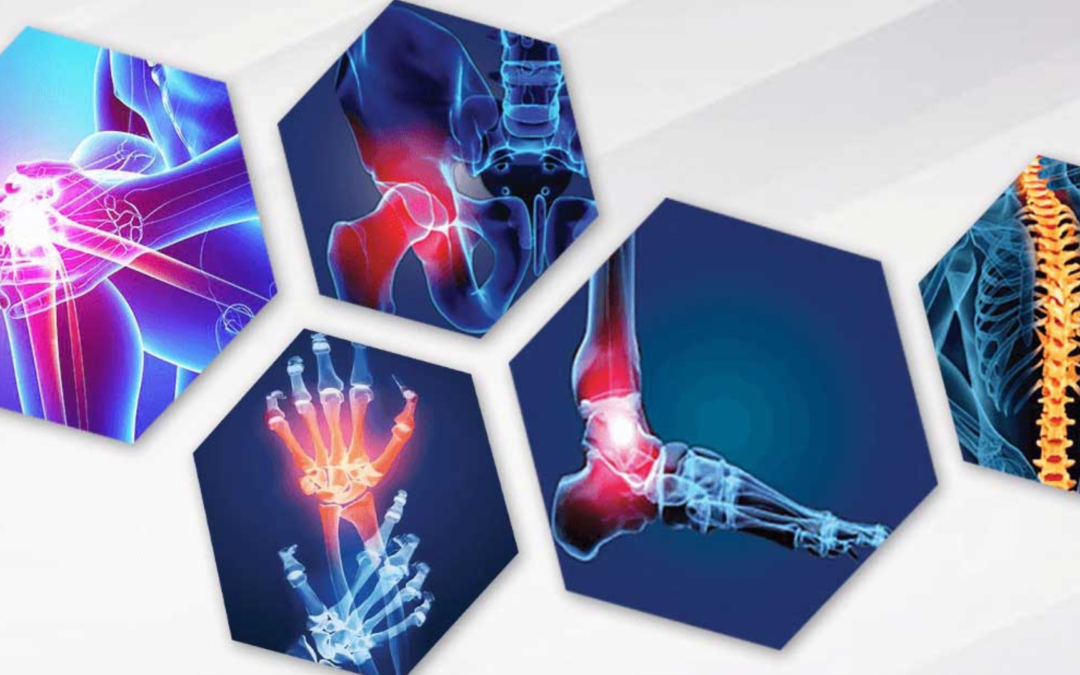
The landscape of Orthopaedic Care is shifting rapidly. As we move through 2026, the traditional “fix and wait” approach is being replaced by high-tech, proactive strategies that prioritise precision and accelerated biological healing. Whether it is a high-impact sports injury or a complex fracture from a trauma incident, the goal remains the same: restoring the patient to their peak mobility as quickly as possible.
Here are five key innovations currently redefining the standards of Orthopaedic Care and improving patient outcomes worldwide.
1. Robotic-Assisted Precision Surgery
Robotics has moved from being a “futuristic concept” to a cornerstone of the modern operating room. In joint replacements and complex spinal surgeries, robotic arms now assist surgeons by providing real-time feedback and millimeter-level accuracy.
- How it works: Surgeons use 3D digital maps of a patient’s anatomy to plan the procedure. The robot then ensures that bone cuts and implant placements are executed with a level of precision that the human eye alone cannot achieve.
- The Impact: For patients, this translates to smaller incisions, less damage to surrounding healthy tissue, and significantly reduced post-operative pain.
2. 3D-Printed, Patient-Specific Implants
Gone are the days of “one-size-fits-all” hardware. One of the most significant breakthroughs in Orthopedic Care is the use of additive manufacturing (3D printing) to create implants tailored to an individual’s unique bone structure.
- Customisation: By using data from CT scans, engineers can print titanium or polymer implants that match the specific contours of a patient’s joint or fracture site.
- Biological Integration: Modern 3D-printed implants often feature a porous surface that mimics natural bone, encouraging the body’s own bone cells to grow into the implant for a more stable, long-lasting fix.
3. Biologics and Regenerative Medicine
We are entering an era where Orthopedic Care doesn’t just replace damaged parts—it helps the body regrow them. Regenerative treatments like Platelet-Rich Plasma (PRP) and stem cell therapies are becoming standard for soft tissue injuries.
- Tissue Repair: These biologics use the patient’s own cells to stimulate healing in damaged tendons, ligaments, and cartilage.
- Delaying Surgery: In many cases of early-stage osteoarthritis, these “orthobiologic” injections can reduce inflammation and repair minor defects, potentially delaying the need for invasive joint replacement surgery by years.
4. Smart Wearables and Remote Recovery Monitoring
The journey of Orthopedic Care doesn’t end when the patient leaves the hospital. The rise of smart technology has moved rehabilitation into the patient’s home.
- Bio-Feedback: New “smart” knee braces and wearable sensors can track a patient’s range of motion, gait, and activity levels in real-time.
- Data-Driven Rehab: This data is sent directly to the surgical team, allowing them to monitor recovery progress remotely. If a patient is falling behind on their physical therapy or moving in a way that risks re-injury, the doctor can intervene immediately.
5. AI-Driven Diagnostic Imaging
Artificial Intelligence is now acting as a “second set of eyes” for orthopedic specialists. AI algorithms can analyse thousands of X-rays and MRIs in seconds to spot subtle fractures or early signs of joint degeneration that might be missed during a standard review.
- Predictive Analytics: Beyond just diagnosis, AI is being used to predict surgical outcomes. By analysing a patient’s lifestyle, bone density, and medical history, AI helps surgeons choose the specific surgical technique that offers the highest chance of success for that individual.
Conclusion
Modern Orthopedic Care is no longer just about mechanical repair; it is about the synergy between human expertise and cutting-edge technology. From the precision of robotics in the OR to the biological potential of regenerative medicine, these innovations are ensuring that “recovery” happens faster, more safely, and with better long-term results than ever before.