
New content formats reshape betting broadcasts
New formats change sports viewing
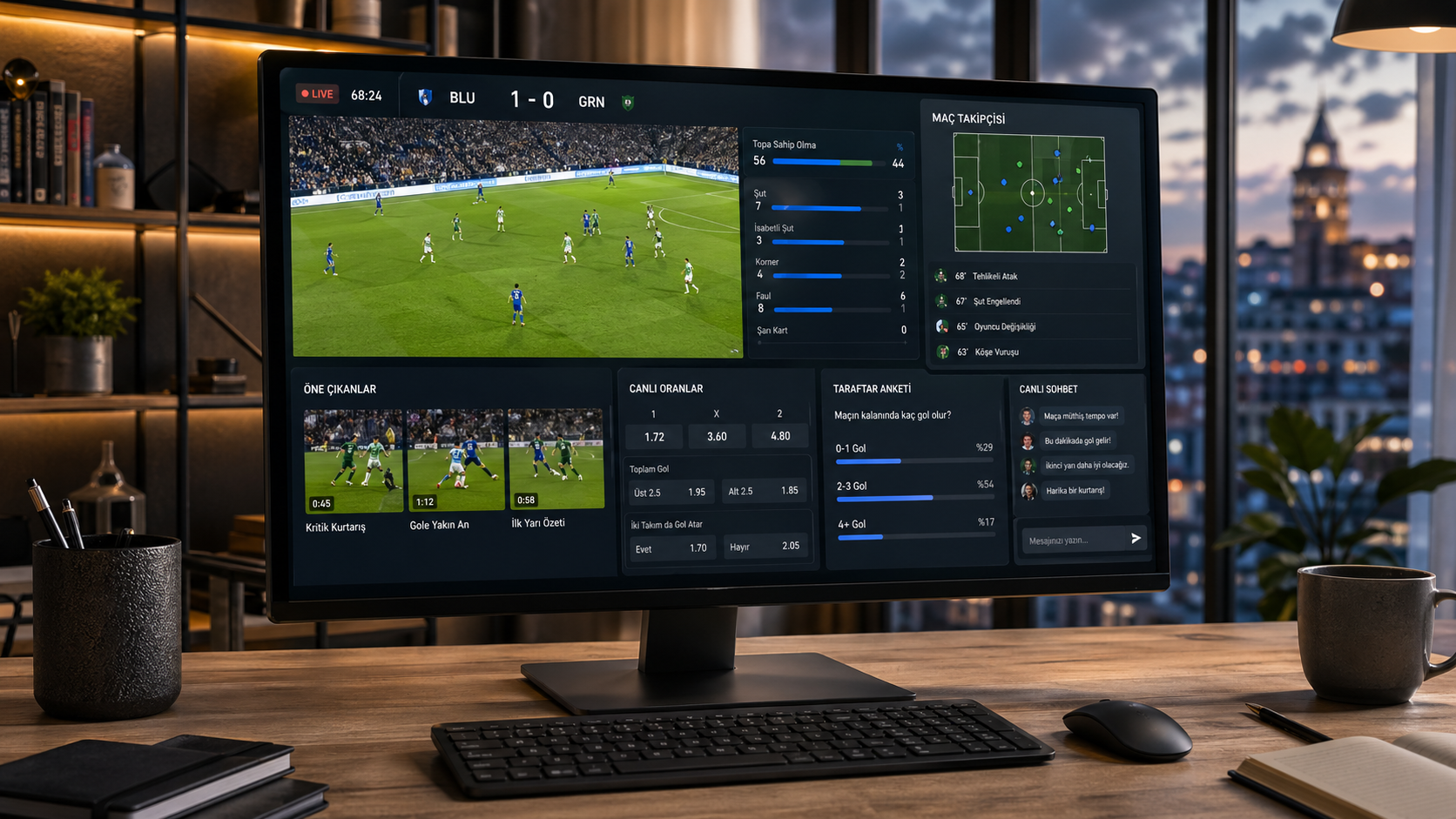 Alt: Sports media dashboard with live football stream, highlights, and live odds
New content formats are changing how audiences follow sports and betting-related broadcasts in 2026. The shift is visible in live streams, match trackers, short video clips, and data panels that appear closer to the event itself. In a market where platforms such as bizbet apk also rely on fast sports data and live viewing habits, sports media companies are no longer treating a match as one long broadcast only. They are breaking it into more useful moments.
A key example came in January 2026, when FIFA appointed Stats Perform as its first official distributor of betting data and live-streaming rights for several competitions, including the 2026 men’s World Cup. The deal covers official data, live streams, player statistics, scores, and match trackers for licensed sportsbooks.
This shows how content and betting data are moving closer together. The focus is not only on showing the match. It is also about giving viewers more context while the event is still happening.
Shorter formats fit faster viewing habits
Audience behavior is also changing because sports content now spreads across more screens. A full match is still important, but many viewers also follow clips, highlights, live graphics, and quick updates during the day. For betting-related platforms, including live-focused sections such as 1xbet canlı, this matters because user attention often rises around key moments, not only before kickoff.
StreamingMedia reported in March 2026 that live sports producers are using clips, stories, and interactive tools such as polls, chat, and watch parties to extend content beyond the main broadcast. The same report noted that AI tools are being used to scale sports content production without losing purpose or originality.
This creates a different rhythm. A viewer may start with a highlight, move to a live stream, check match data, and then return to short updates. The content path is less linear than before.
What formats are gaining attention
These formats are not replacing traditional broadcasts. They are being added around them. Sports platforms want to keep audiences active before, during, and after the event, especially on mobile screens where quick content works better.
The most visible formats include:
- Short clips built around key match moments
- Live data panels placed near video streams
- Match trackers with real-time updates
- Interactive polls, chats, and watch-party tools
- Highlight packages adapted for mobile viewing
Each format serves a different purpose. Short clips bring users back quickly. Data panels keep context close to the action. Interactive tools make the viewing session feel less passive.
How content formats affect activity
The link between content and betting activity is becoming more structured. When viewers receive match context faster, they spend less time searching for basic information. This can make live sports screens more useful during fast-moving events.
The table below shows how newer formats change the role of sports content. It focuses on audience behavior rather than promotion.
|
Content format |
Main role in 2026 |
|
Live stream |
Keeps the event at the center |
|
Short clip |
Brings attention to key moments |
|
Match tracker |
Adds quick context during play |
|
Data panel |
Explains changes in match flow |
|
Interactive tool |
Keeps viewers involved for longer |
Sports media invests in stronger tools
The business side is moving in the same direction. In April 2026, DAZN agreed to acquire ViewLift for about $100 million, a move reported as part of its plan to strengthen sports streaming technology and expand its position in the U.S. market.
This matters because stronger streaming systems support more than video delivery. They also help with mobile access, live features, team channels, and richer event coverage.
A more active screen
The rise of new content formats shows how sports viewing is changing in 2026. Broadcasts are becoming shorter in parts, richer in data, and more interactive during live events. For the betting sector, the main result is a closer link between content and audience activity. Viewers now expect faster context, cleaner screens, and formats that match the pace of the match.