

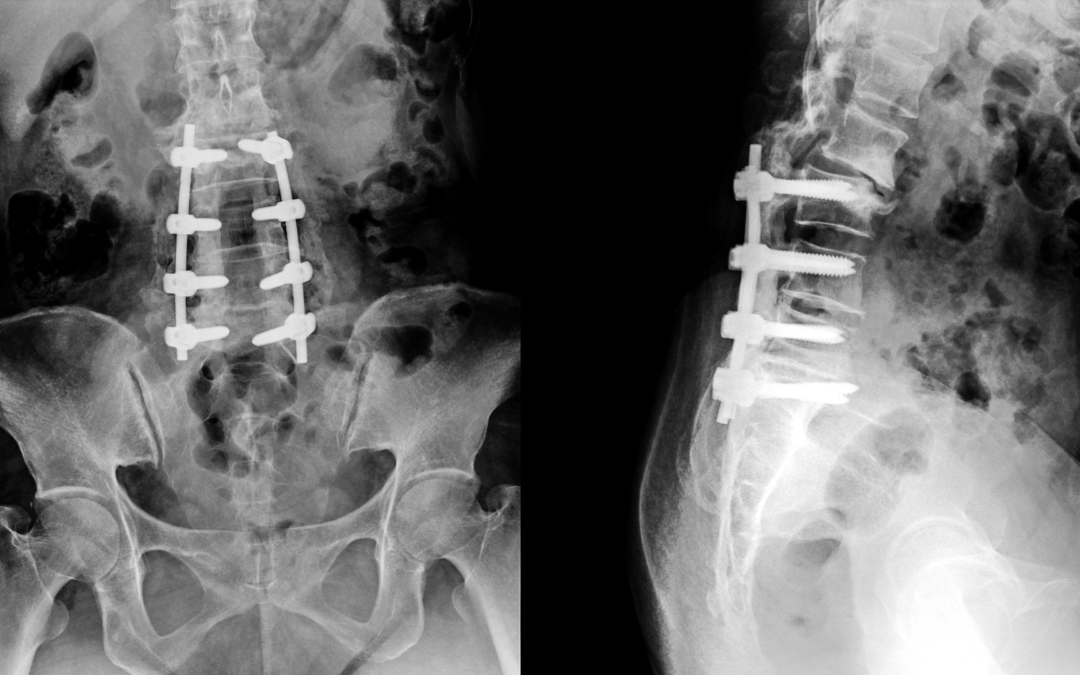
The management of complex hip fractures remains one of the most challenging areas in orthopedic trauma surgery. Among the various fixation methods available, the Proximal Femoral Locking Plate has emerged as a vital tool for achieving stable fixation, particularly in cases where intramedullary nailing might be contraindicated or technically difficult.
When dealing with intertrochanteric and subtrochanteric fractures, the primary goal is to achieve stable anatomical reduction that allows for early mobilization. This blog explores the best practices, surgical nuances, and mechanical advantages of using a Proximal Femoral Locking Plate in these high-demand scenarios.
Understanding the Mechanical Rationale
Intertrochanteric fractures occur between the greater and lesser trochanters, while subtrochanteric fractures are located within 5 cm distal to the lesser trochanter. These areas are subject to immense biomechanical stress, specifically high compressive forces on the medial side and significant tensile forces on the lateral side.
The Proximal Femoral Locking Plate is designed as a fixed-angle construct. Unlike traditional non-locking plates that rely on friction between the plate and bone, locking plates create a “bridge” across the fracture. The screws lock into the plate itself, creating a single stable unit. This is particularly beneficial in osteoporotic bone, where standard screw threads may fail to gain sufficient purchase.
Best Practices for Intertrochanteric Fractures
Intertrochanteric fractures are often comminuted, making stable fixation difficult. While intramedullary nails are frequently used, the Proximal Femoral Locking Plate is an excellent alternative for patients with narrow medullary canals or distorted proximal femoral anatomy.
- Anatomic Reduction First: The success of a locking plate is highly dependent on the quality of the initial reduction. Using a traction table and fluoroscopic guidance, surgeons must ensure that the medial cortex is restored to prevent varus collapse.
- Strategic Screw Placement: It is critical to utilize multiple locking screws in the femoral neck and head. These screws should be placed in a divergent or convergent pattern to maximize the “pull-out” strength.
- Maintaining the Lateral Wall: One of the biggest risks in intertrochanteric surgery is the “blowout” of the lateral wall. The contoured design of a high-quality Proximal Femoral Locking Plate provides lateral support, acting as a buttress to prevent the proximal fragment from shifting.
Addressing Subtrochanteric Challenges
Subtrochanteric fractures are notoriously difficult to treat due to the powerful muscle pull—the iliopsoas, abductors, and short rotators—which tends to displace fragments into flexion, abduction, and external rotation.
- Long Plates for Long Fractures: For subtrochanteric extensions, a longer plate is necessary to bypass the fracture zone by at least three to four screw holes. This distributes the stress across a larger area of the femoral shaft, reducing the risk of plate fatigue and eventual breakage.
- Indirect Reduction Techniques: To preserve the blood supply to the bone fragments, surgeons often employ minimally invasive plate osteosynthesis (MIPO). This involve sliding the plate submuscularly and securing it without a large open incision, which promotes faster biological healing.
Intraoperative Considerations
To ensure the longevity of the implant and the success of the procedure, certain intraoperative steps are non-negotiable:
- Fluoroscopic Accuracy: Constant monitoring via C-arm in both Anteroposterior (AP) and Lateral views is essential. This ensures that the proximal screws do not penetrate the joint space and that the plate sits flush against the lateral cortex.
- Torque Control: When using a Proximal Femoral Locking Plate, it is vital to use a torque-limiting screwdriver for the final tightening of the locking screws. Over-tightening can damage the locking mechanism, while under-tightening can lead to screw back-out.
- Bone Grafting: In cases of severe medial comminution where a gap remains despite reduction, primary bone grafting should be considered to encourage early union and provide additional structural support.
Post-Operative Management
The advantage of a rigid locking construct is the ability to begin early rehabilitation. While weight-bearing status is always determined by the surgeon based on the stability of the fracture and the quality of the bone, most patients can begin “toe-touch” weight-bearing within days of surgery. This early movement is crucial for preventing complications such as deep vein thrombosis (DVT) and pneumonia, especially in elderly populations.
Conclusion
The Proximal Femoral Locking Plate represents a sophisticated evolution in fracture fixation. By providing a stable, fixed-angle construct, it addresses the inherent weaknesses of traditional plating and offers a reliable solution for the most complex trochanteric injuries. For surgeons, adhering to the principles of anatomical reduction, biological preservation, and precise screw placement ensures that this implant achieves its full potential in restoring patient mobility and quality of life.
