

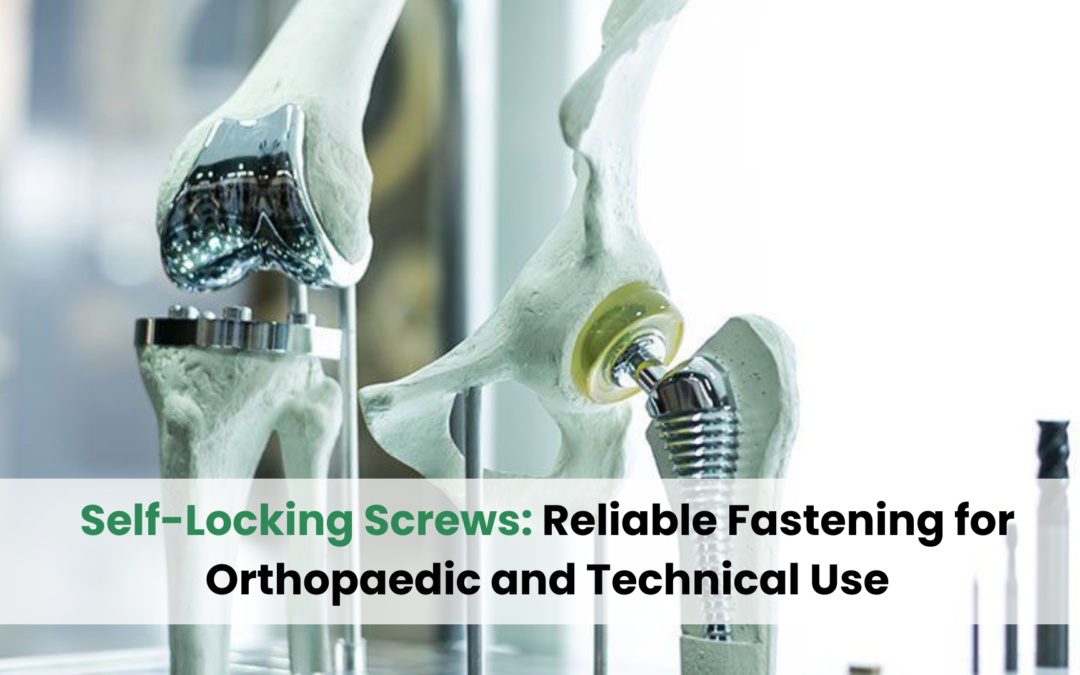
In the realm of orthopaedic surgery and technical applications, the need for secure, stable, and long-lasting fastening solutions is paramount. Self-locking screws, particularly locking screws, have emerged as a cornerstone in achieving these objectives. Their unique design and functionality make them indispensable in various fields, ensuring both safety and efficacy.
Understanding Self-Locking and Locking Screws
Self-locking screws are designed to prevent unintentional loosening, even under conditions of vibration or thermal expansion. This is achieved through mechanisms such as nylon inserts, deformed threads, or friction-based designs. In contrast, locking screws are a specific type of self-locking screw used predominantly in orthopaedic surgery. They feature threads on the screw head that engage with corresponding threads in the plate, creating a fixed-angle construct that enhances stability and reduces the risk of screw loosening.
The Role of Locking Screws in Orthopaedic Surgery
Locking screws are integral to modern orthopaedic procedures, especially in the fixation of fractures. Unlike conventional screws that rely on friction between the plate and bone, locking screws engage directly with the plate, providing a more stable and reliable fixation. This mechanism is particularly beneficial in complex fractures where traditional methods may not suffice.
Key advantages include:
- Enhanced Stability: The engagement between the screw and plate ensures a fixed-angle construct, reducing the risk of malalignment during healing.
- Reduced Risk of Loosening: The self-locking feature minimizes the chances of screws loosening over time, which is crucial for long-term fixation.
- Preservation of Blood Supply: Since locking screws do not require compression against the bone, they help maintain the periosteal blood supply, promoting better healing.
- Versatility: Locking screws can be used in various bone types and fracture patterns, offering flexibility in surgical planning.
Technical Applications of Self-Locking Screws
Beyond orthopaedics, self-locking screws find applications in various technical fields, including aerospace, automotive, and electronics. In these industries, the primary concern is often the prevention of fastener loosening due to vibrations or thermal cycles. Self-locking screws address this issue effectively, ensuring the integrity and safety of critical components.
Applications include:
- Aerospace: Ensuring the reliability of fastenings in aircraft structures, where safety is paramount.
- Automotive: Preventing loosening of fasteners in engine components subjected to high vibrations.
- Electronics: Securing components in devices that experience thermal expansion and contraction.
Choosing the Right Locking Screw
Selecting the appropriate locking screw depends on several factors:
- Bone Type: Cortical or cancellous bone may require different screw designs.
- Fracture Pattern: Comminuted fractures might necessitate specific screw configurations.
- Plate Design: The compatibility between the plate and screw is crucial for optimal fixation.
- Patient Factors: Age, activity level, and bone quality can influence the choice of screw.
It’s essential to consult with a surgical specialist to determine the most suitable locking screw for each unique case.
Innovations in Locking Screw Technology
Advancements in materials and design have led to the development of innovative locking screws:
- Bioabsorbable Screws: These screws gradually degrade in the body, eliminating the need for removal surgery.
- Angled Locking Screws: Allow for more versatile placement, accommodating complex fracture geometries.
- Titanium Alloy Screws: Offer strength and biocompatibility, reducing the risk of allergic reactions.
These innovations continue to enhance the efficacy and safety of locking screws in both orthopaedic and technical applications.
Conclusion
Self-locking screws, particularly locking screws, have revolutionized fastening solutions in orthopaedic surgery and various technical fields. Their design ensures secure, stable, and long-lasting fixation, addressing challenges associated with traditional fastening methods. As technology advances, the role of locking screws will continue to be pivotal in ensuring the safety and success of surgical procedures and technical assemblies.
